Cerebrovascular Accident (Stroke): Causes, Symptoms, Diagnosis, Treatment, Prevention, and Rehabilitation.
Cerebrovascular Accident, commonly known as stroke, occurs when blood flow to the brain is blocked or interrupted, causing brain cell injury. This article explains the types, causes, risk factors, warning signs, diagnosis, treatment, prevention, and rehabilitation of stroke in a clear, patient-friendly way, with emphasis on early recognition, emergency care, and nursing support.
Educational Content Only
This article is written for educational purposes and does not constitute medical advice. Always consult a qualified healthcare professional before making clinical or personal health decisions. Read our disclaimer.
Cerebrovascular Accident (Stroke)
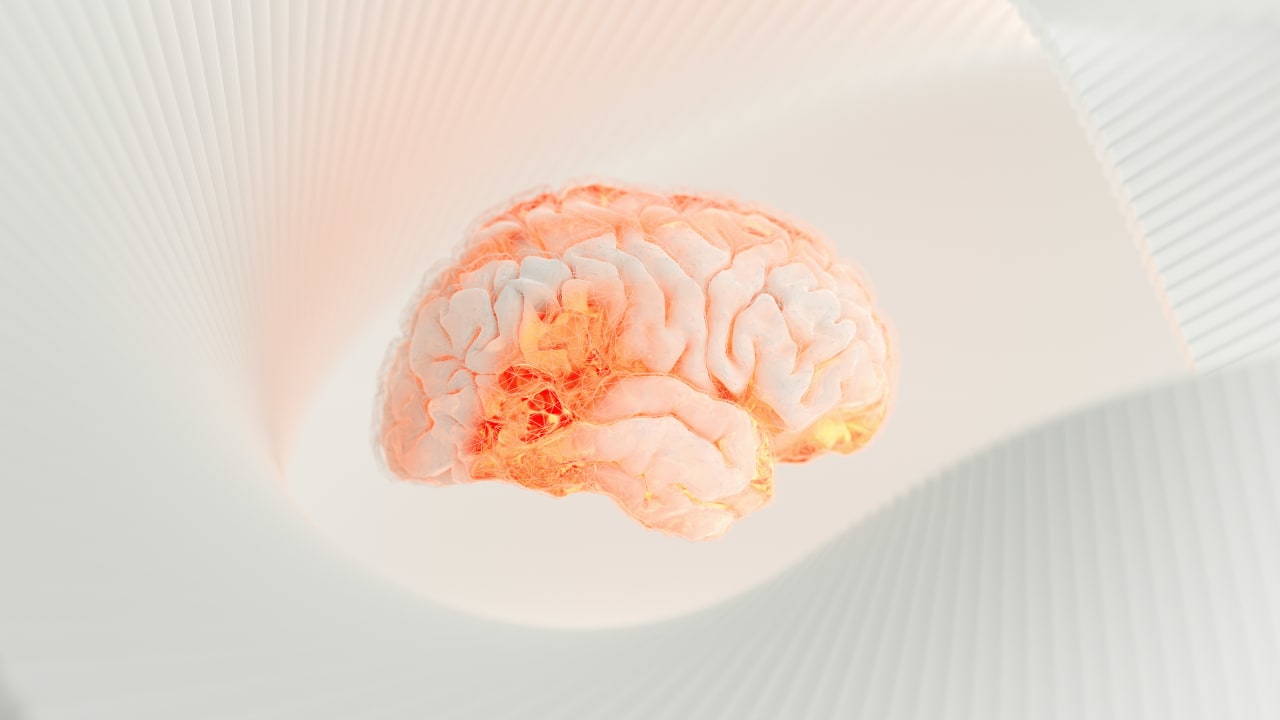
A cerebrovascular accident, commonly known as stroke, is a sudden neurological emergency that occurs when blood flow to part of the brain is interrupted or when a blood vessel in the brain ruptures. Because brain cells require a constant supply of oxygen and glucose, even a brief interruption in circulation can cause rapid neuronal injury and long-term disability.
Stroke remains one of the most important cerebrovascular disorders worldwide because it can affect movement, speech, vision, memory, swallowing, emotional health, independence, and quality of life. Early recognition and timely treatment are essential because every minute of untreated stroke can lead to progressive brain injury.
In simple terms, stroke is a “brain attack.” It requires the same urgency as a heart attack.
What Are Cerebrovascular Disorders?
Cerebrovascular disorders are conditions that affect the blood vessels and blood supply of the brain. They may occur due to blockage, narrowing, rupture, abnormal vessel formation, or bleeding within or around the brain.
Common cerebrovascular disorders include:
Ischemic stroke
Hemorrhagic stroke
Transient ischemic attack (TIA)
Cerebral aneurysm
Arteriovenous malformation
Other vascular abnormalities affecting cerebral circulation
Among these, stroke is the most common and clinically significant condition because it can cause sudden neurological deficits and permanent disability if not treated promptly.
Definition of Stroke
Stroke may be defined as the rapid onset of neurological signs and symptoms caused by a vascular problem in the brain. The neurological disturbance may last more than 24 hours, lead to death, or produce permanent tissue damage depending on the severity and location of the event.
This definition highlights four key features:
Sudden or rapid onset
Neurological symptoms such as weakness, speech difficulty, vision changes, or altered consciousness
A vascular cause, either blockage or bleeding
Potential for long-term disability or death if treatment is delayed
Why Stroke Is a Medical Emergency
The brain has very high metabolic demands. Although it represents only a small portion of body weight, it uses a large amount of oxygen and energy. Brain cells cannot store oxygen for long periods, so they are highly vulnerable when blood flow is reduced.
When cerebral blood flow is interrupted, the following changes may occur:
Oxygen and glucose delivery decrease.
Cellular energy production fails.
Neurons lose normal electrical function.
Cell swelling and inflammation develop.
Excitatory neurotransmitters and calcium influx worsen injury.
Irreversible neuronal death can occur if blood flow is not restored.
This process is often called the ischemic cascade. It explains the clinical principle: “Time is brain.” Early treatment can save brain tissue and improve outcomes.
Types of Stroke
1. Ischemic Stroke

Ischemic stroke occurs when a blood vessel supplying the brain becomes blocked. This blockage reduces or stops blood flow to a specific area of the brain, leading to tissue injury or infarction.
Common mechanisms include:
Thrombosis: A clot forms within a blood vessel in the brain or neck.
Embolism: A clot or debris travels from another part of the body, commonly the heart or carotid arteries, and blocks a cerebral artery.
Systemic hypoperfusion: Overall blood flow to the brain decreases, often due to severe hypotension or cardiac problems.
Important risk factors for ischemic stroke include hypertension, diabetes mellitus, atrial fibrillation, smoking, high cholesterol, obesity, physical inactivity, and previous TIA or stroke.
2. Hemorrhagic Stroke
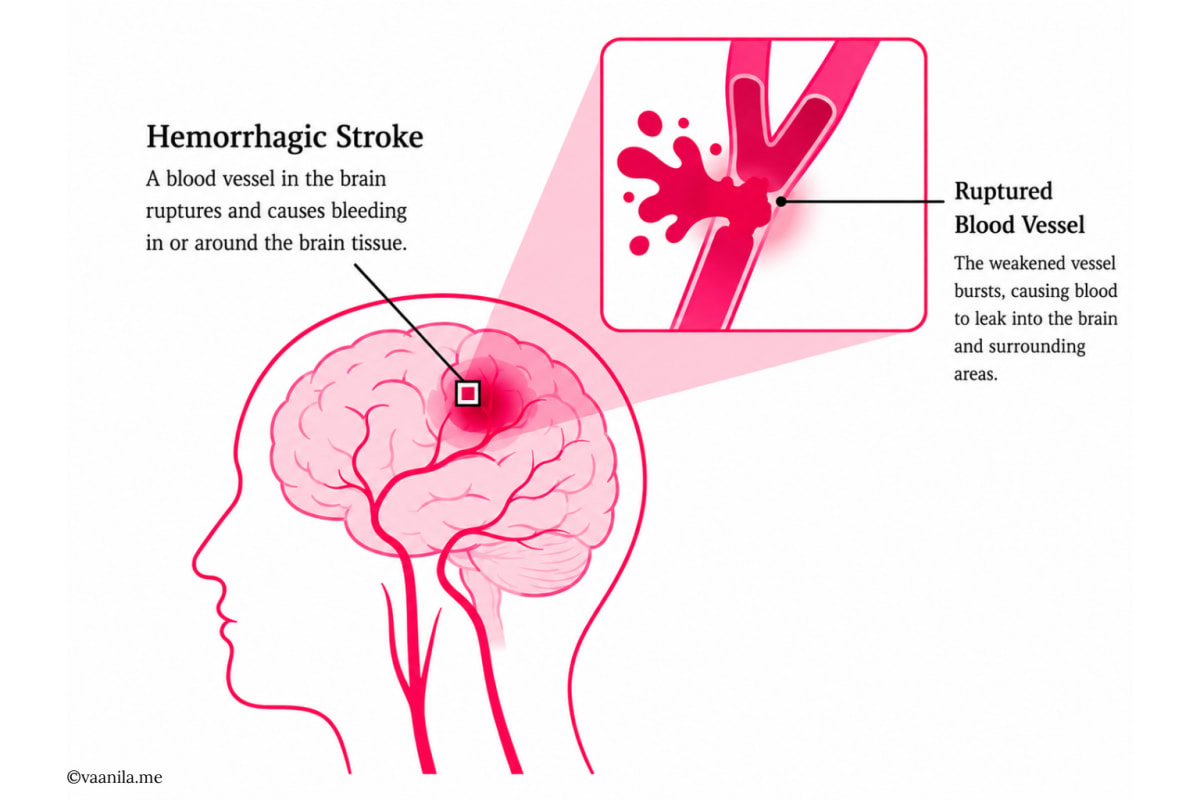
Hemorrhagic stroke occurs when a blood vessel in the brain ruptures and causes bleeding. The accumulated blood can damage brain tissue directly and increase intracranial pressure.
Major forms include:
Intracerebral hemorrhage: Bleeding occurs directly into the brain tissue.
Subarachnoid hemorrhage: Bleeding occurs into the space surrounding the brain, often due to a ruptured aneurysm.
Common causes include chronic hypertension, cerebral aneurysm, trauma, arteriovenous malformation, anticoagulant use, bleeding disorders, and vascular abnormalities.
3. Transient Ischemic Attack (TIA)
A transient ischemic attack, sometimes called a mini-stroke, occurs when stroke-like symptoms develop temporarily due to reduced blood flow to the brain. Symptoms may resolve within minutes to hours; however, TIA should never be ignored because it can be a warning sign of a future stroke.
Any sudden neurological symptom should be treated as urgent, even if it improves quickly.
Risk Factors for Stroke
Stroke develops through a combination of modifiable and nonmodifiable risk factors. Identifying these risks is important for prevention and early intervention.
Modifiable Risk Factors
Hypertension: The strongest and most common risk factor. High blood pressure damages blood vessel walls and increases the risk of both ischemic and hemorrhagic stroke.
Diabetes mellitus: High blood glucose damages blood vessels and accelerates atherosclerosis.
Hyperlipidemia: Elevated cholesterol contributes to plaque formation and arterial narrowing.
Smoking: Tobacco use damages the vascular lining, increases clot formation, and accelerates atherosclerosis.
Atrial fibrillation: Irregular heart rhythm increases the risk of embolic stroke.
Obesity and physical inactivity: These increase the risk of hypertension, diabetes, and cardiovascular disease.
Excessive alcohol use: Heavy alcohol intake can raise blood pressure and increase stroke risk.
Poor diet: Diets high in salt, saturated fat, and processed foods may contribute to hypertension and vascular disease.
Nonmodifiable Risk Factors
Increasing age
Family history of stroke
Genetic predisposition
Sex-related and hormonal factors
Ethnicity and population-based vascular risk differences
Clinical Manifestations of Stroke
Stroke symptoms vary depending on the affected area of the brain, the size of the lesion, and the type of stroke. Symptoms usually appear suddenly.
Common Warning Signs
Sudden weakness or numbness of the face, arm, or leg, especially on one side of the body
Sudden difficulty speaking or understanding speech
Sudden confusion or altered mental status
Sudden vision problems in one or both eyes
Sudden dizziness, loss of balance, or poor coordination
Sudden severe headache with no known cause, especially in hemorrhagic stroke
Difficulty swallowing, facial drooping, or reduced level of consciousness in severe cases
BE FAST Stroke Recognition
BE FAST is a simple way to remember common stroke warning signs:
B - Balance: Sudden loss of balance, dizziness, or poor coordination
E - Eyes: Sudden blurred vision, double vision, or loss of vision
F - Face: Facial drooping or numbness, especially on one side
A - Arms: Arm weakness, numbness, or inability to raise both arms equally
S - Speech: Slurred speech, difficulty speaking, or trouble understanding speech
T - Time: Time to seek emergency medical help immediately
Gender Differences and Atypical Symptoms
Some patients, especially women and older adults, may present with less typical symptoms. These may include generalized weakness, headache, confusion, altered consciousness, pain, nausea, urinary incontinence, or unexplained fatigue. Because these symptoms may be less obvious, diagnosis can sometimes be delayed.
Any sudden neurological change should be taken seriously and assessed urgently.
Diagnosis of Stroke
Rapid diagnosis is essential to determine whether the stroke is ischemic or hemorrhagic and to guide treatment safely. The diagnostic approach includes clinical assessment, neurological examination, imaging, and laboratory investigations.
1. Clinical and Neurological Assessment
History of symptom onset and last known well time
Assessment of airway, breathing, circulation, blood glucose, and vital signs
Neurological examination to identify deficits
Stroke severity scoring, such as NIH Stroke Scale, where available
2. Brain Imaging
Non-contrast CT scan: Often the first imaging test. It helps identify bleeding and guides emergency treatment decisions.
MRI brain: More sensitive for early ischemic changes and lesion localization in selected cases.
3. Additional Investigations
Blood glucose and electrolyte levels
Complete blood count and coagulation profile
ECG to identify atrial fibrillation or cardiac causes
Carotid Doppler or vascular imaging to assess blood vessel narrowing
Echocardiography to detect cardiac sources of emboli
Lipid profile and diabetes screening for risk assessment
Management of Stroke
Stroke management depends on the type of stroke, time from symptom onset, patient stability, imaging findings, and associated medical conditions. The goal is to preserve brain tissue, prevent complications, and support recovery.
Immediate Priorities
Activate emergency stroke response.
Assess airway, breathing, and circulation.
Check blood glucose because hypoglycemia can mimic stroke.
Record exact time of symptom onset or last known well time.
Perform urgent brain imaging.
Monitor blood pressure, oxygen saturation, neurological status, and cardiac rhythm.
Treatment for Ischemic Stroke
Treatment may include reperfusion therapy for eligible patients. Intravenous thrombolysis and mechanical thrombectomy may be considered according to clinical criteria, imaging results, treatment windows, contraindications, and local stroke protocols.
Supportive treatment may also include antiplatelet therapy, anticoagulation when indicated, statins, blood pressure management, diabetes control, swallowing assessment, and prevention of complications such as aspiration, pressure injury, deep vein thrombosis, and infection.
Treatment for Hemorrhagic Stroke
Hemorrhagic stroke management focuses on controlling bleeding, reducing intracranial pressure, maintaining cerebral perfusion, and preventing further neurological damage. Treatment may include blood pressure control, reversal of anticoagulation when appropriate, neurosurgical evaluation, aneurysm repair, hematoma evacuation in selected cases, seizure management, and intensive neurological monitoring.
Nursing Care in Stroke
Nurses play a vital role in early recognition, acute monitoring, complication prevention, patient education, and rehabilitation support.
Key Nursing Responsibilities
Recognize sudden neurological changes and escalate immediately.
Monitor level of consciousness, pupil response, limb strength, speech, swallowing, and vital signs.
Maintain airway safety and aspiration precautions.
Perform dysphagia screening according to institutional policy before oral intake.
Support safe positioning, pressure area care, and mobility planning.
Monitor blood glucose, blood pressure, oxygen saturation, and cardiac rhythm.
Prevent complications such as aspiration pneumonia, falls, deep vein thrombosis, contractures, pressure injuries, and urinary infection.
Educate patients and families about warning signs, medications, lifestyle changes, and follow-up care.
Stroke Prevention
Many strokes can be prevented through lifestyle changes and proper management of medical conditions. Prevention is especially important for patients with hypertension, diabetes, atrial fibrillation, previous TIA, or previous stroke.
Important Prevention Strategies
Control blood pressure through medication adherence, diet, exercise, and regular monitoring.
Manage diabetes and maintain healthy blood glucose levels.
Stop smoking and avoid exposure to tobacco smoke.
Maintain a healthy weight.
Follow a heart-healthy diet rich in fruits, vegetables, whole grains, lean protein, and low-salt foods.
Engage in regular physical activity as advised by a healthcare professional.
Limit alcohol intake.
Treat atrial fibrillation and take anticoagulants or antiplatelets only as prescribed.
Attend regular medical follow-up for cholesterol, blood pressure, and cardiovascular risk management.
Stroke Rehabilitation
Rehabilitation begins as early as medically appropriate and continues according to the patient’s needs. The main goal is to restore maximum independence, improve function, prevent complications, and support emotional adjustment.
Multidisciplinary Rehabilitation Team
Physicians and neurologists
Nurses
Physiotherapists
Occupational therapists
Speech and language therapists
Dietitians
Psychologists or counselors
Social workers
Family caregivers
Common Rehabilitation Goals
Improve mobility, balance, and strength
Restore activities of daily living
Improve speech, swallowing, and communication
Prevent contractures and pressure injuries
Promote safe nutrition and hydration
Support emotional recovery and reduce depression or anxiety
Prepare the patient and family for home care and long-term follow-up
Modified Constraint-Induced Movement Therapy (mCIMT)
Modified constraint-induced movement therapy is a rehabilitation approach used in selected stroke survivors with upper limb weakness. It encourages repeated practice of the affected arm while limiting overuse of the unaffected arm for structured periods.
The main components include:
Intensive repetitive training of the affected limb
Use of the affected limb during daily functional activities
Temporary constraint of the unaffected limb under professional supervision
Potential benefits include improved motor control, better coordination, increased confidence, and improved performance in daily activities. Suitability should be assessed by a trained rehabilitation professional.
Patient and Family Education
Education is essential for preventing recurrent stroke and improving recovery. Patients and families should understand:
Stroke warning signs and the importance of emergency response
Medication purpose, timing, and side effects
Blood pressure, diabetes, and cholesterol control
Diet, exercise, smoking cessation, and alcohol reduction
Safe swallowing and aspiration precautions if dysphagia is present
Fall prevention and home safety modifications
The importance of follow-up appointments and rehabilitation adherence
Emotional changes after stroke and when to seek psychological support
Prognosis
Stroke prognosis depends on the type of stroke, severity, location of brain injury, speed of treatment, age, associated diseases, and rehabilitation participation. Some patients recover well, while others may have long-term disability requiring ongoing care.
Early recognition, rapid treatment, complication prevention, rehabilitation, and strong family support can significantly improve outcomes.
Conclusion
Cerebrovascular accident, or stroke, is a serious neurological emergency caused by interrupted blood supply or bleeding in the brain. It can lead to sudden weakness, speech difficulty, vision problems, balance loss, altered consciousness, and long-term disability. Ischemic stroke results from blockage of blood flow, while hemorrhagic stroke results from vessel rupture and bleeding.
Effective stroke care depends on early recognition, urgent diagnosis, timely treatment, careful nursing monitoring, prevention of complications, risk factor control, and structured rehabilitation. Public awareness of BE FAST warning signs and prevention strategies is essential to reduce the burden of stroke and improve quality of life among survivors.
Written by Vaanila Swarnamyuran
Registered Nurse
MSc Medical Surgical Nursing
TNNMC No. 205047
References
Journals
- 1.Pathophysiology and Treatment of Stroke: Present Status and Future PerspectivesDiji Kuriakose, Zhicheng XiaoInternational Journal of Molecular Sciences
- 2.Diagnosis and management of acute ischaemic strokeRobert Hurford , Alakendu Sekhar , Tom A T Hughes , Keith W MuirPractical Neurology
Books
- 1.Brunner & Suddarth's Textbook of Medical-Surgical NursingJanice L. Hinkle and Kerry Cheever
Web Links
- 1.Executive Summary: Heart Disease and Stroke Statistics--2016American Heart Association
Related Articles
Wolff-Parkinson-White (WPW) Syndrome: Causes, ECG Features, Symptoms, Diagnosis, and Treatment.
Learn More